Life Insurance: Importance, Benefits, and Choosing the Best Policy (Term vs Whole Life)
Life insurance is one of the most essential financial tools for individuals who want to secure their family’s future and build long-term financial stability. Despite its importance, many people either delay purchasing it or choose policies without fully understanding how they work. This article explains why life insurance matters, how it supports family protection and long-term planning, and compares term life insurance with whole life insurance to help you decide which policy is best for your needs.
Why Life Insurance Is Important
Life insurance provides financial protection to your loved ones in case of your untimely death. It ensures that your family can maintain their lifestyle and meet essential expenses even when you are no longer there to provide for them.
1. Financial Security for Family
The primary purpose of life insurance is to support your dependents. If you are the main earning member of your household, your sudden absence can create financial stress. Life insurance ensures that your family has enough funds to cover daily living expenses, children’s education, and other financial needs.
2. Debt Protection
Many individuals have outstanding loans such as home mortgages, car loans, or personal debts. Without insurance, these liabilities can become a burden on your family. A life insurance policy helps pay off these debts so your loved ones are not financially strained.
3. Income Replacement
Life insurance acts as a replacement for lost income. The payout (also known as the death benefit) can be used by your family to maintain their standard of living and cover regular expenses like rent, utilities, and groceries.
4. Peace of Mind
Knowing that your family will be financially secure even in your absence gives you peace of mind. It allows you to focus on your present life without constant worry about the future.
Life Insurance for Long-Term Planning
Life insurance is not just about protection—it can also be a valuable part of long-term financial planning.
1. Wealth Creation
Certain types of life insurance policies, especially whole life insurance, build cash value over time. This can act as a savings or investment tool that grows steadily.
2. Retirement Planning
Some policies allow you to withdraw or borrow money from the accumulated cash value. This can be helpful during retirement as an additional source of income.
3. Education and Future Goals
Life insurance can be used to secure your children’s future. The payout can help fund higher education, weddings, or other important life milestones.
4. Estate Planning
Life insurance can help in transferring wealth to the next generation. It can also cover estate taxes and ensure that your assets are distributed smoothly.
Types of Life Insurance Policies
There are many types of life insurance policies, but the two most common are term life insurance and whole life insurance. Understanding their differences is key to making the right decision.
Term Life Insurance
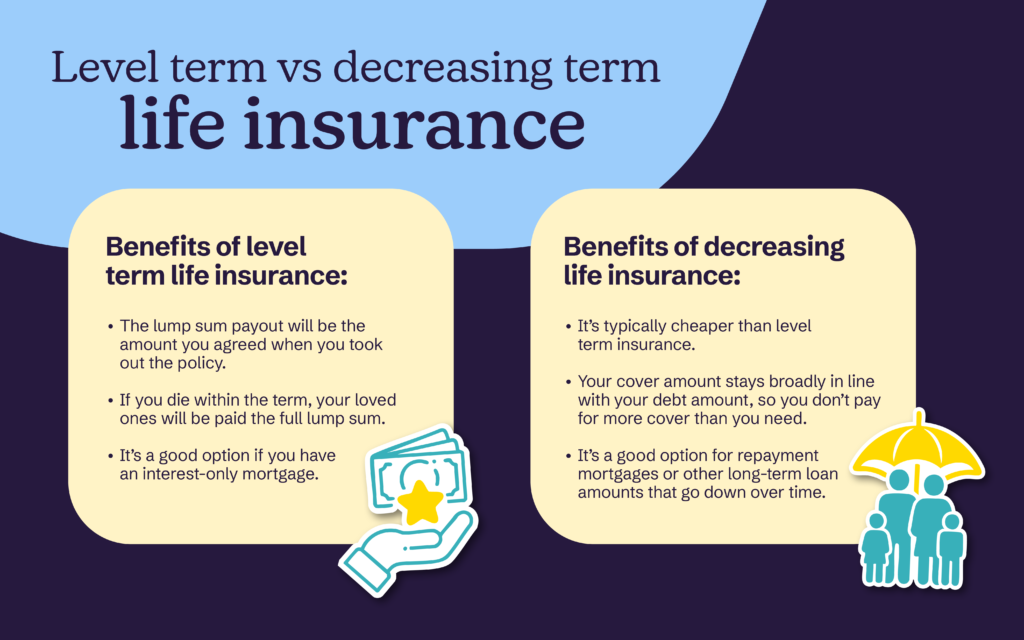
Term life insurance provides coverage for a specific period, such as 10, 20, or 30 years.
Features:
- Lower premiums compared to other policies
- Fixed coverage amount
- No cash value or savings component
- Pays benefit only if the insured dies within the term
Advantages:
- Affordable: Ideal for individuals with limited budgets
- Simple: Easy to understand and manage
- High Coverage: You can get a large coverage amount at a low cost
Disadvantages:
- No maturity benefit if you survive the term
- Coverage ends after the term unless renewed
Best For:
- Young professionals
- Individuals with temporary financial responsibilities (like loans or children’s education)
- People looking for maximum coverage at a low cost
Whole Life Insurance
Whole life insurance provides lifetime coverage and includes a savings component known as cash value.
Features:
- Lifetime protection
- Higher premiums
- Builds cash value over time
- Can be used as an investment or savings tool
Advantages:
- Permanent Coverage: No need to worry about policy expiration
- Cash Value Growth: Acts as a financial asset
- Loan Facility: You can borrow against the policy
Disadvantages:
- More expensive than term insurance
- More complex structure
- Lower immediate coverage compared to term policies for the same premium
Best For:
- Individuals seeking lifelong protection
- People interested in long-term wealth building
- Those with stable income who can afford higher premiums
Term vs Whole Life Insurance: A Comparison
| Feature | Term Life Insurance | Whole Life Insurance |
|---|---|---|
| Coverage Duration | Fixed term (10–30 years) | Lifetime |
| Premium Cost | Low | High |
| Cash Value | No | Yes |
| Complexity | Simple | More complex |
| Best Use | Protection | Protection + Investment |
Which Policy Is Best?
There is no single “best” policy for everyone—it depends on your personal financial situation, goals, and responsibilities.
- If your priority is affordable protection, term life insurance is usually the best choice.
- If you want lifetime coverage with savings benefits, whole life insurance may be more suitable.
- Many financial experts recommend starting with term insurance and later adding investment options separately.
Tips for Choosing the Right Policy
- Assess Your Needs: Calculate how much coverage your family would need.
- Compare Policies: Look at multiple options before deciding.
- Check the Insurer’s Reputation: Choose a reliable and trusted insurance provider.
- Understand the Terms: Always read the policy details carefully.
- Review Regularly: Update your policy as your financial situation changes.
Conclusion
Life insurance is a crucial part of financial planning that ensures your family’s security and helps you prepare for the future. Whether you choose term life insurance for its affordability or whole life insurance for its long-term benefits, the key is to start early and choose a policy that aligns with your goals. By making the right decision today, you can provide lasting financial protection and peace of mind for yourself and your loved ones.